Summary: Building a home office requires strategic planning, proper financing, and ergonomic design. You can build an office through your home by selecting a quiet space, investing in essential ergonomic furniture, ensuring high-speed internet connectivity, and utilizing short-term financing like a cash advance to cover initial setup costs. A dedicated workspace significantly improves focus, productivity, and professional growth.
The Importance of a Dedicated Home Workspace
It is an old adage that the offices build homes. Now, do not start looking for this one in literary books because you won't find this one in those books. However, the modern reality is that our homes are increasingly becoming our offices. Creating a dedicated professional environment within your residence is critical for maintaining work-life balance and maximizing daily output.
When you build an office through your home, you eliminate commute times and gain the flexibility to structure your day according to your personal peak productivity hours. This transformation, however, requires more than just placing a laptop on a dining table; it necessitates a thoughtful approach to spatial design and resource allocation. Having a designated professional area sends a psychological signal to your brain that it is time to work, effectively boosting efficiency. Additionally, establishing physical boundaries between your living areas and your workspace can dramatically reduce stress levels and prevent professional burnout in the long term.
Essential Components for Your Home Office
Choosing the Right Location
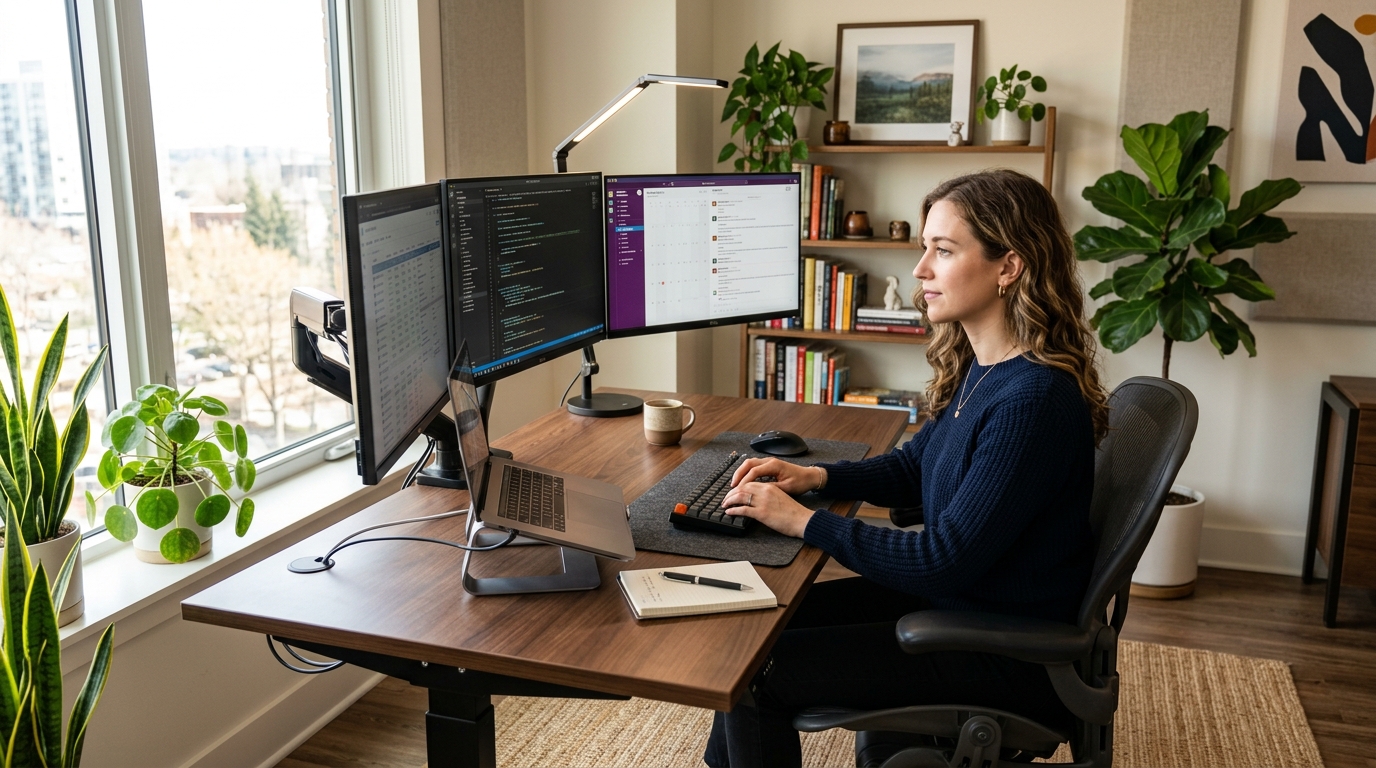
The first step to build a home office is identifying the optimal location. Select a low-traffic area with ample natural light to reduce eye strain and improve mood. Whether it is a spare bedroom, a converted basement, or a quiet corner of the living room, the space must be clearly defined to separate professional duties from domestic life. Avoid high-traffic zones like kitchens or family rooms if possible, as interruptions can severely hinder deep work. If space is limited, consider utilizing room dividers or acoustic panels to create a sense of privacy and separation.
Ergonomic Furniture and Equipment
Investing in high-quality, ergonomic furniture is non-negotiable. A supportive chair and a desk at the correct height prevent long-term musculoskeletal issues. Furthermore, reliable technology, including a high-definition monitor, a comfortable keyboard, and an uninterrupted power supply, forms the backbone of any effective home office setup. Remember to position your monitor at eye level to prevent neck strain, and ensure your feet rest flat on the floor or on a footrest. Lighting is another critical factor; combine natural light with adjustable task lighting to create an environment conducive to sustained focus.
Financing Your Home Office Setup
Establishing a productive workspace often involves upfront costs. From purchasing essential tech hardware to potential room modifications, the initial investment can add up quickly. While some employers provide stipends, many freelancers and remote workers must fund these upgrades independently. The costs can include desk chairs, dual monitors, high-speed routers, lighting fixtures, and even soundproofing materials, which together represent a significant financial commitment.
If you need immediate funds to capitalize on a remote work opportunity, considering a short-term financial solution like a cash advance might bridge the gap. By securing a cash advance, you can quickly purchase the necessary equipment to start working efficiently without waiting for your next paycheck. Always ensure you have a clear repayment strategy when utilizing financial products for professional investments. Evaluate the potential return on investment: a properly equipped home office can lead to higher productivity, increased billable hours, and potentially higher income, making the initial financial outlay a smart career move. For more detailed financial strategies, review our comprehensive financial planning guide.
Frequently Asked Questions
How much does it cost to build a home office?
The cost to build a home office typically ranges from $500 to $2,000 depending on your needs. Basic setups with a desk and chair are on the lower end, while advanced setups with ergonomic furniture, soundproofing, and new computers will cost significantly more. A cash advance can help cover these upfront expenses.
Can I use a cash advance to fund my home office?
Yes, a cash advance can provide immediate funding for essential home office equipment, allowing you to establish your workspace quickly. It is important to borrow responsibly and have a solid repayment plan in place to ensure your investment yields positive financial returns.
What is the most important element of a home office?
The most important element of a home office is a dedicated, distraction-free environment paired with a reliable, high-speed internet connection, ensuring you can perform tasks efficiently. Ergonomic furniture is a close second, as physical comfort directly impacts long-term productivity and health.